English| EUR
Suggested for you
More currencies
Choose a language
Pic Saint-Loup wines carry the imprint of their limestone terroir and the wild scrubland that surrounds every estate. The appellation's reds—built on Syrah, Grenache, and Mourvèdre—balance power with aromatic precision, and visitors who understand the profile arrive at cellars ready to decode what they taste.
Quick answer
Pic Saint Loup wine tasting notes consistently highlight dark cherry, blackberry, and wild herb aromatics, with garrigue—thyme, rosemary, lavender—appearing in nearly every glass. The structure leans medium to full-bodied, with firm tannins softened by ripe fruit and a mineral spine from the limestone soils. Most estate reds show black pepper, violet, and a savory edge that distinguishes them from neighboring Languedoc appellations.
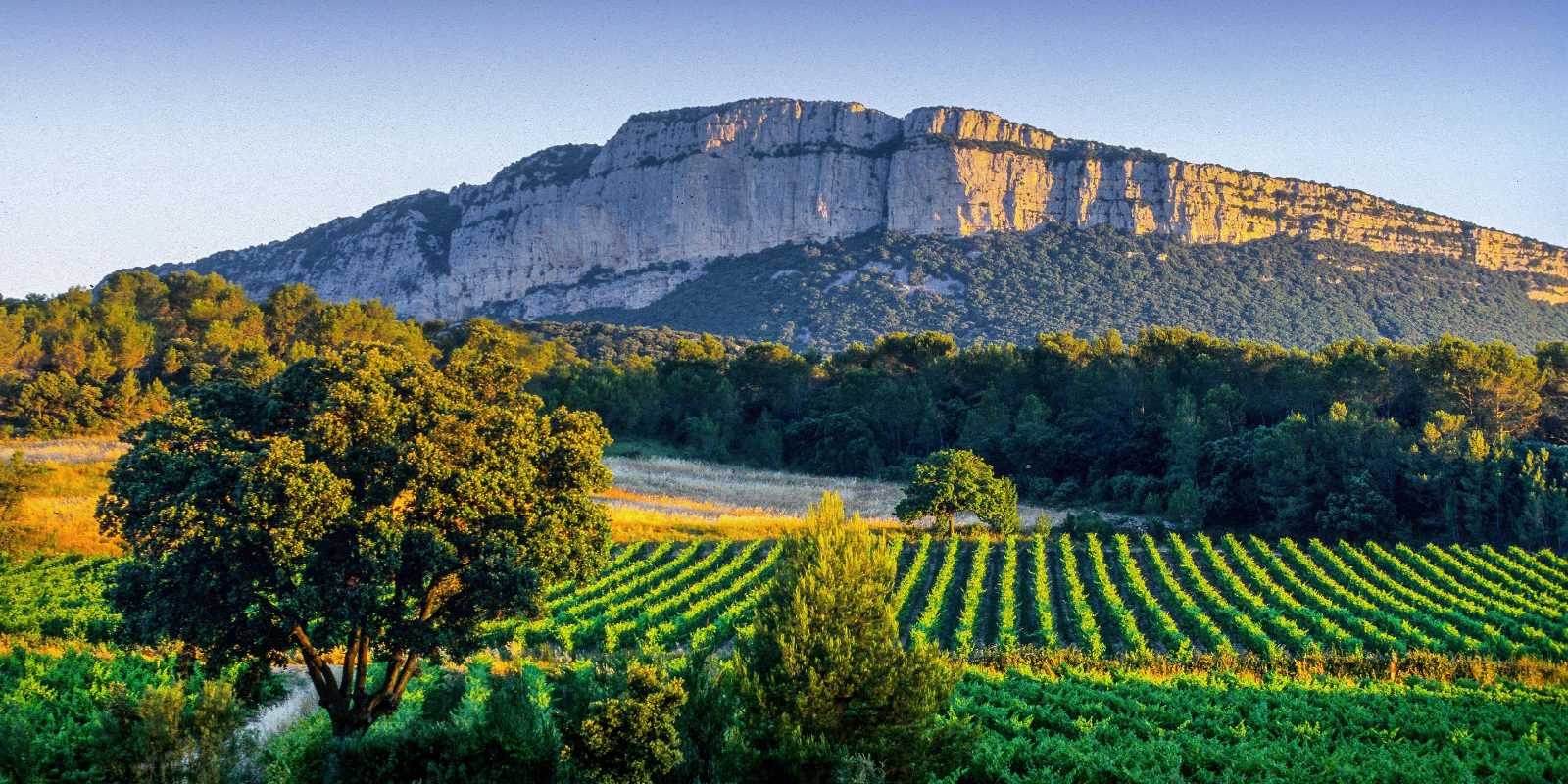
The limestone bedrock that gives Pic Saint-Loup its dramatic ridgeline also gives its wines their mineral skeleton. Syrah dominates most blends, contributing black pepper, violet, and dark fruit density, while Grenache softens the mid-palate with red berry sweetness and Mourvèdre adds structure and earthy depth. The result is a red wine profile that sits between northern Rhône intensity and southern Mediterranean warmth. Garrigue defines the aromatic signature more than any single grape variety. The wild herbs—thyme, rosemary, fennel, and lavender—that blanket the hillsides infiltrate the wines through a combination of terroir and ambient influence during fermentation. Tasters new to the appellation often describe the nose as savory before fruity, a reversal of expectation that becomes the hallmark of the region. On the palate, pic saint loup wine tasting notes frequently mention graphite, olive tapenade, and cured meat alongside the core fruit flavors, creating a layered experience that rewards slow sipping. The appellation's elevation and exposure to the tramontane wind preserve acidity even in warm vintages, so the wines rarely feel heavy despite their alcohol levels, which typically range from thirteen to fourteen and a half percent. Young wines show firm tannins and tight fruit; after three to five years in bottle, the structure integrates and secondary flavors—leather, tobacco, dried flowers—emerge. Most estates produce wines designed for medium-term cellaring rather than immediate consumption, and cellar visits often include verticals that demonstrate how the profile evolves. Visitors tasting through an estate's range will notice that single-vineyard cuvées emphasize site-specific character—north-facing parcels yield more elegance and herbal lift, while south-facing slopes produce denser, sun-saturated fruit. The appellation's regulations permit white and rosé production, but the reds define the reputation. Estates open Monday through Saturday between 09:00 and 17:00, and most offer seated tastings that walk through the blend components before presenting the final wines, making it easier to isolate what each grape contributes to the overall pic saint loup wine tasting notes profile.
“Garrigue defines the aromatic signature more than any single grape variety, infiltrating the wines through terroir and ambient influence during fermentation.”
The optimal arrival window for your Pic Saint-Loup wine tasting notes visit is 09:00–16:00 to ensure enough time at each estate. Planning your trip during the shoulder seasons provides the most favorable balance of weather and vineyard activity.
—
Mid-week visits allow for more personal interaction with producers and shorter wait times at cellar doors.
Mild with temperatures around 15°C–20°C
Vineyards are lush and green, offering active views of the vine growth cycle.
Warm with temperatures around 20°C–25°C
This period marks the grape harvest, providing a dynamic look at wine production in the Languedoc.
Hot with temperatures exceeding 30°C
Estates are busiest during these months, and midday temperatures can be intense for vineyard tours.
Verdict: The best slot for your visit is Tuesday to Thursday, arriving at 09:00, during the months of April or October.
The regional tourism resources for Pic Saint-Loup wine tasting experiences operate on a consistent weekly schedule, closing only on Sundays.
Admission fees in the Pic Saint-Loup region depend on the type of experience, as general cellar visits differ from private estate tours. While many venues welcome guests for basic cellar exploration at no charge, personalized tastings and vineyard tours involve individual estate fees.
Verdict: Most visitors pay 0 EUR for standard cellar entry, with costs for specialized tours determined by the specific winery.
The Grand Pic Saint-Loup wine region is located north of Montpellier, France. Traveling by car is the most practical method for visiting multiple estates in the area.
D17 or D113 from Montpellier
Hérault Transport Line 608 to Saint-Mathieu-de-Tréviers
Direct from Montpellier city center or Saint-Roch station
GPS navigation to the Grand Pic Saint-Loup, 34270, France, will direct you to the heart of the region. Most estates provide on-site parking for visitors.
Approaching Pic Saint-Loup wines requires an understanding of their distinct GSM blend composition and the influence of the regional microclimate.
Expect a blend dominated by Syrah for structure and spice, softened by Grenache and Mourvèdre for red fruit and earthy undertones. Ask producers how their specific altitude influences the ripening period of these varieties.
The Pic Saint-Loup microclimate creates higher diurnal temperature variations compared to surrounding areas. This results in wines with notable acidity and freshness that balance the alcohol levels typical of Languedoc reds.
Inquire if an estate offers vertical tastings to observe how their specific Syrah-dominant blends evolve in the bottle over time. This highlights the longevity and aging potential inherent in the appellation's soil profile.
Professional tasting involves analyzing several wines in succession, so use the provided spittoons to remain clear-headed. Estates expect visitors to focus on sensory analysis rather than consumption during cellar visits.
Ask producers about their harvest timing, as the decision to pick earlier or later significantly alters the expression of the Mourvèdre component. This gives insight into the winemaker's strategy for achieving balance.
Everything you need to know about pic saint loup wine tasting notes
When evaluating the regional profile, look for the signature blend of Syrah, Grenache, and Mourvèdre, which often highlights red fruit and garrigue herbal scents. These pic saint loup wine tasting notes frequently reveal a structure defined by the limestone cliffs of the Pic Saint-Loup mountain. You may also detect subtle notes of black pepper and spice typical of this Mediterranean climate.
General cellar visits are free as the entry fee is 0 EUR, though specific guided tours and premium tastings at individual estates may vary. You should check with each property for their specific policy on structured tasting sessions.
The best arrival window is between 09:00 and 16:00 to visit estates before their late afternoon closing and to avoid peak mid-day crowds. Arriving during this time allows for a more relaxed environment to appreciate the nuances of the local wine.
Most wine estates are welcoming to families, but policies vary by property regarding supervised tasting areas. It is recommended to contact the specific estate directly to ensure they can accommodate your group needs.
While general cellar access is straightforward, booking in advance is highly recommended for structured sessions to explore pic saint loup wine tasting notes with a professional guide. This ensures staff availability and a more personalized educational experience.
The unique microclimate and the geological influence of the surrounding limestone massif are critical to the wine quality. These environmental factors create the distinct profile you encounter when documenting pic saint loup wine tasting notes in the region.