5 hr
Pic Saint-Loup Wine & Village Experience
Half-day countryside escape to Languedoc wineries, medieval villages, and home-cooked regional cuisine
Reserve
Hand-picked by our editors — only the best 5 experiences from 18 reviewed.
Verified partners for every tour, free cancellation where available, and instant confirmation on every booking.
5 hr
Half-day countryside escape to Languedoc wineries, medieval villages, and home-cooked regional cuisine
Reserve
4 hr
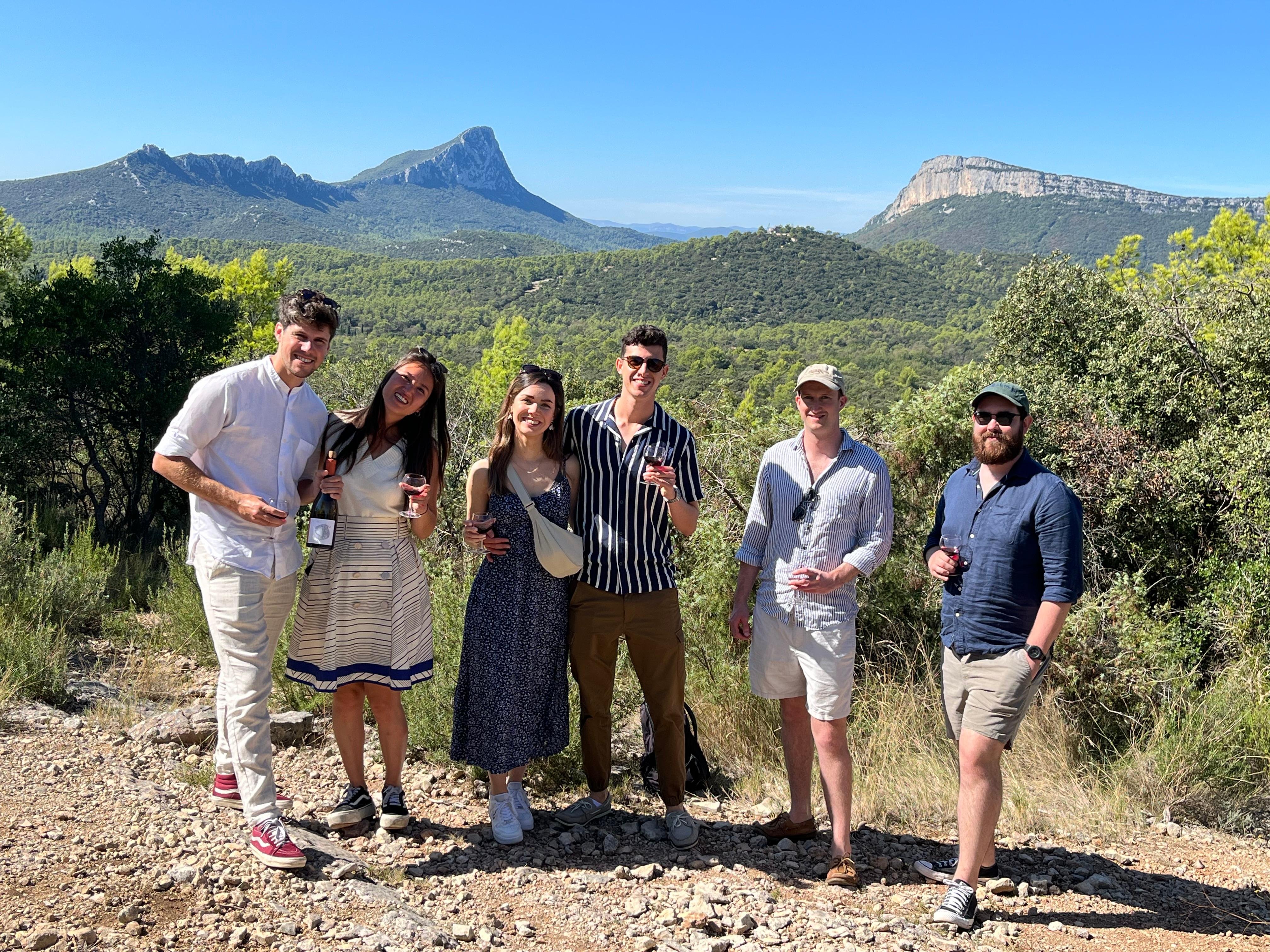
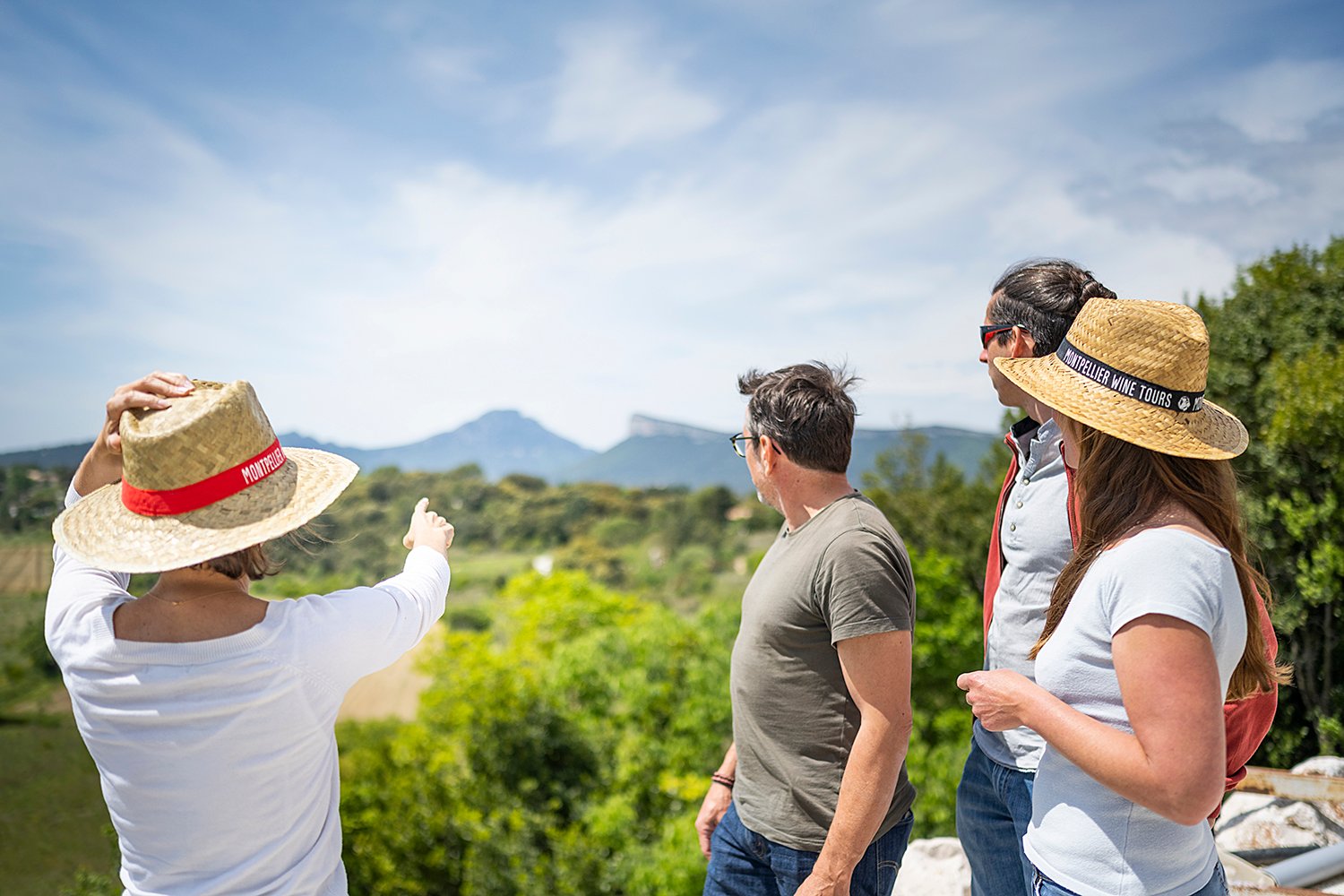
Explore two distinct vineyards beneath the dramatic Pic Saint-Loup massif with expert-led tastings
Reserve
1 hr 30 min
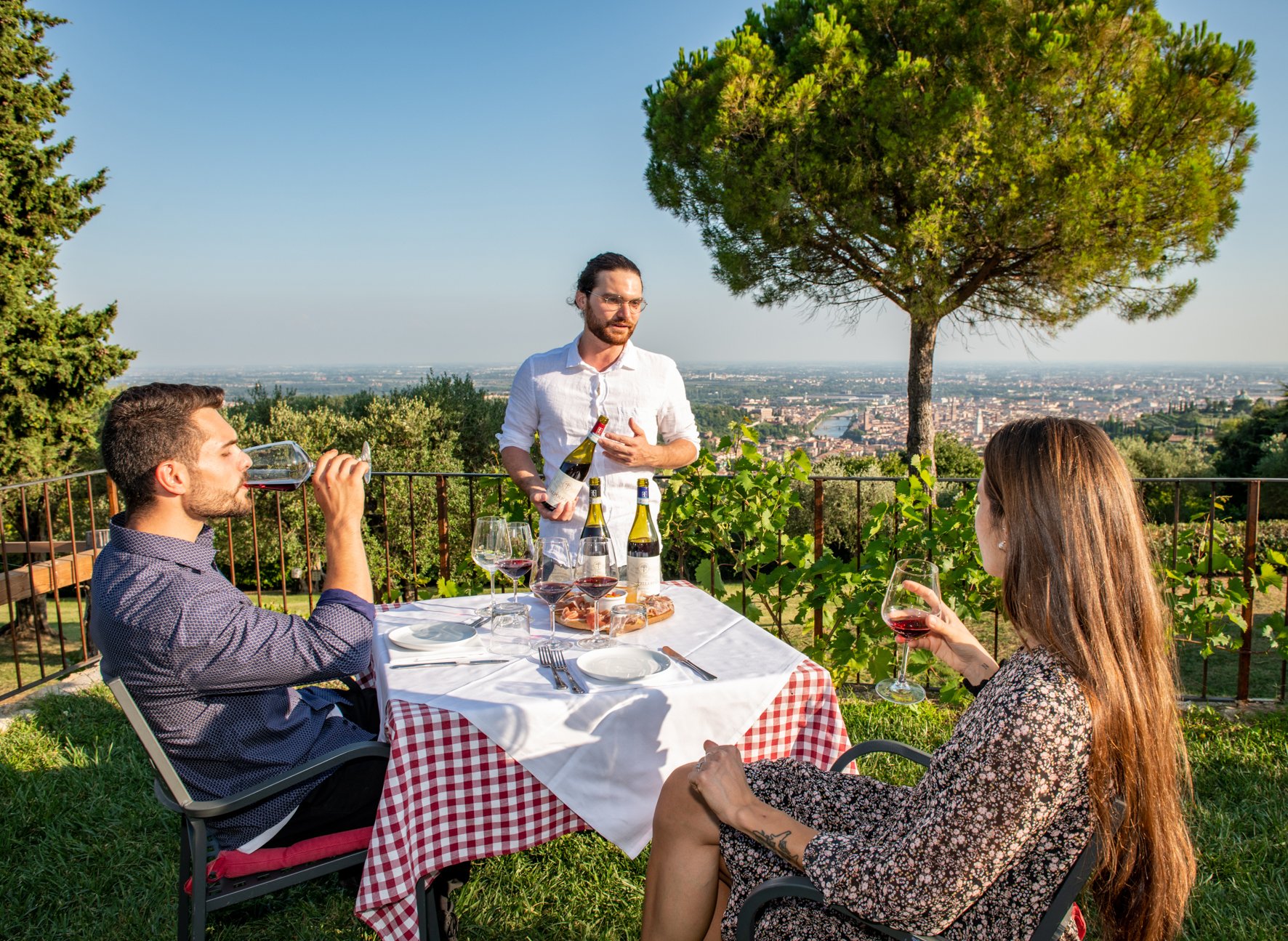
Sample five estate-grown wines on a hillside terrace overlooking Verona's skyline and countryside.
ReservePrices from verified partners. Availability updates in real time at checkout. Free cancellation policies apply where shown.
The landmarks, rooms, and views travelers on this tour remember — all visible on a single visit.
They complement each other, yet most visitors find the high-altitude freshness of a pic saint loup wine tasting tour more accessible than the deep, rustic intensity of Faugères.
| Feature | Top pick Pic Saint-Loup | Faugères |
|---|---|---|
Soil Composition |
Limestone and marl | Schist |
Primary Grape Varieties |
Syrah, Grenache, Mourvèdre | Syrah, Grenache, Carignan |
Geographic Location |
Hérault inland hills | Cévennes foothills |
Proximity to Montpellier |
20-30 kilometers | 60-70 kilometers |
Tasting Atmosphere |
Elegant and polished | Intimate and rustic |
Typical Tasting Fees |
0–15 EUR (summer) | 0–12 EUR (summer) |
| See tickets → |
Verdict: Choose Pic Saint-Loup for crisp, mountainous terroir, or opt for Faugères to explore the distinct mineral complexity of schist-based pic saint loup wine tasting tours and nearby alternatives, keeping in mind that pic saint loup wine tasting tickets are generally not required for simple cellar visits.
Choose your ticket, select your date, and reserve in under two minutes. Secure checkout handled by our verified partner.
Instant confirmation by email, with a mobile voucher you can save offline. No printing, no queuing at a collection desk.
Arrive at the entrance, show your voucher on your phone, and walk in. Most tickets include priority or skip-the-line access.
Practical details for your visit straight from our verified partners — hours, access, rules, and how to get there.
Grand Pic Saint-Loup, 34270, France
Central point for regional maps.
The most reliable way to reach sites is by car, allowing freedom between estates.
Available from Montpellier city center to the Grand Pic Saint-Loup region.
Casual outdoor attire is recommended for a pic saint loup wine tasting excursion. Ensure you wear comfortable walking shoes suitable for gravel vineyard paths.
Small daypacks are acceptable for your pic saint loup wine tasting tour. Large suitcases are not recommended as space is limited in tasting rooms.
Photography is permitted in the vineyards during your pic saint loup wine tasting. Please ask permission before photographing private cellar operations or staff members.
Vineyard access for pic saint loup wine tasting varies by estate. Contact specific wineries regarding wheelchair path availability at the Grand Pic Saint-Loup sites.
Mobile phone use is allowed, though visitors are encouraged to disconnect to appreciate the terroir. Charging stations are rarely available in rural vineyard locations.
Family groups can enjoy the scenery during a pic saint loup wine tasting, though tastings are restricted to adults over 18. Some estates offer grape juice for younger visitors.
Many estates offer cheese or charcuterie pairings during your pic saint loup wine tasting. Bringing your own picnic is discouraged unless explicitly permitted by the winery.
Pets must be kept on a short leash at all times. Please verify pet policies directly with the vineyard hosting your pic saint loup wine tasting.
The Grand Pic Saint-Loup region is famous for its Syrah and Grenache blends. Plan for transit time between different estates as they are spread across the valley.
Best time to go, insider tips, nearby landmarks, and the cancellation fine print — flip through to skim what matters to you.
How crowds, weather, and events shift across the year.
March to May offers mild weather perfect for walking the vines without peak summer heat.
June to August is the growing season, ideal for sunny vistas but requires early arrival for tastings.
September to October captures the harvest season, the busiest time for winemaking activity.
November to February provides quiet, introspective tasting opportunities with fewer crowds.
Small details that turn a good visit into a great one.
Schedule your pic saint loup wine tasting tour in advance to ensure availability at popular estates.
Always carry a hat during summer, as vineyard terrain offers limited shade.
Rent a car for your pic saint loup wine tasting tour to traverse the scattered estates efficiently.
Expect to pay a fee for individual tastings if not part of a pre-booked inclusive package.
Aim for a 09:00 start to complete your pic saint loup wine tasting before the hottest part of the day.
Non-bookable sights within a short walk — free to visit, easy to pair.
A historic manor with extensive gardens near the region.
Iconic limestone mountain providing panoramic views of the vineyards.
A picturesque medieval village situated in a rocky canyon.
A charming fortified village center within the Grand Pic Saint-Loup area.
Flexible, no hidden fees.
Cancellations for booked pic saint loup wine tasting sessions are subject to the individual winery's terms. Please check your specific tour voucher for the refund window.
Hand-picked options within walking distance — pick a district for vibe, or a specific hotel for convenience.
High-end resort set within a historic vineyard property.
Local rental properties located near the central vineyard trail.
Various city hotels offering easy access to rural tours.
The Pic Saint-Loup appellation was granted AOC status only in 2017, making it one of France's youngest controlled wine regions despite a viticultural tradition stretching back to Roman settlements along the Via Domitia. The massif itself—a limestone ridge rising 658 metres above the Hérault garrigue—creates a microclimate that tempers Mediterranean heat with alpine ventilation, allowing Syrah, Grenache, and Mourvèdre to ripen slowly on slopes studded with wild thyme and rosemary. The terroir here is unmistakable: galets roulés—smooth river stones deposited millennia ago—absorb daylight heat and release it through cool nights, producing wines with pronounced minerality and aromatic complexity that sommeliers describe as both sun-warmed and mountain-taut. Pic Saint-Loup wine tasting has evolved from a niche pursuit into a cornerstone of Languedoc tourism, with more than forty domaines now welcoming visitors to cellars carved into hillside rock and tasting rooms overlooking rows of gnarled vines. Many estates practice organic or biodynamic viticulture, a reflection of the region's younger generation of vintners who returned from Bordeaux and Burgundy to reclaim family land. The appellation's proximity to Montpellier—just thirty kilometres north—makes half-day excursions feasible, yet the landscape feels profoundly rural: medieval villages like Saint-Mathieu-de-Tréviers and Claret cling to ridgelines, their ochre stone façades framing views of the mountain's twin peaks. Visitors who explore pic saint loup wine tasting tours encounter a spectrum of approaches. Some châteaux offer vertical tastings of single-vineyard cuvées aged in French oak, while smaller domaines pour wines directly from concrete eggs or amphora, explaining the choice of vessel as part of the narrative. Tasting sessions typically include four to six wines, beginning with crisp rosés and whites—often Roussanne or Rolle—before progressing to structured reds that reflect the garrigue's herbal imprint. Guides at established estates discuss the 2003 and 2015 vintages as benchmarks, years when drought and heat conspired to produce wines of unusual concentration. The region's winemakers are forthcoming about challenges: climate change has shifted harvest dates two weeks earlier than a generation ago, and water management on these rocky slopes demands constant adaptation. Beyond the cellar, the appellation's identity is inseparable from its geography. The Pic itself is a hiking landmark, its northern face a sheer cliff favoured by climbers, its southern slope a cascade of vineyards. The mountain's silhouette appears on every bottle, a visual shorthand for the tension between wildness and cultivation that defines the region's wines.
"The terroir here is unmistakable: river stones absorb daylight heat and release it through cool nights, producing wines with pronounced minerality and aromatic complexity."
A step-by-step walkthrough of the visit — what you'll see, how long each stage takes, and the details that matter.
You leave Montpellier mid-morning, the autoroute giving way to narrow departmental roads that climb through scrubland dotted with cypress and umbrella pine. The first domaine appears after twenty minutes, its gravel drive flanked by syrah vines heavy with fruit in late summer. You park beneath a plane tree and walk to the tasting room, a renovated stone barn with terracotta floors still cool from the night. The winemaker pours a white first—Roussanne with notes of white peach and almond—then moves to a rosé pressed from Cinsault, its pale salmon hue catching the light. You taste the estate's flagship red last, a blend aged eighteen months in oak, its tannins softened by time but still firm enough to carry flavours of black olive and garrigue herbs. After the tasting, you drive higher into the appellation, past villages where narrow streets funnel the breeze and balconies overflow with geraniums. At a second estate, the vigneron walks you through rows of grenache, explaining how slope orientation and limestone subsoil shape acidity. You return to the cellar for a vertical tasting of three vintages, each glass revealing subtle shifts in ripeness and structure. By early afternoon, you've sampled a dozen wines, your palate attuned to the region's signature minerality. The mountain looms in every direction, a constant presence that anchors each pour to place.
The region is open Mon-Sat, 09:00–18:00, and closed on Sundays. Please check individual winery hours before planning your pic saint loup wine tasting session.
Entry to the Grand Pic Saint-Loup region is 0 EUR, though individual wineries may charge for specific tasting sessions.
The best arrival window for a pic saint loup wine tasting is 09:00–17:00 when winemakers are available. The region is not open before 09:00.
Families are welcome to explore the scenery, but only adults 18+ can participate in the pic saint loup wine tasting.
Bring a sun hat, comfortable shoes, and water to ensure comfort during your pic saint loup wine tasting.
Yes, photography is permitted in the vineyards during your pic saint loup wine tasting tour.
Public transport is limited; renting a car is recommended to reach the diverse locations for your pic saint loup wine tasting.
Many wineries offer food pairings during a pic saint loup wine tasting, and local villages have dining options.
Cancellations are managed by individual wineries; check your booking confirmation for specific refund policies regarding your pic saint loup wine tasting.